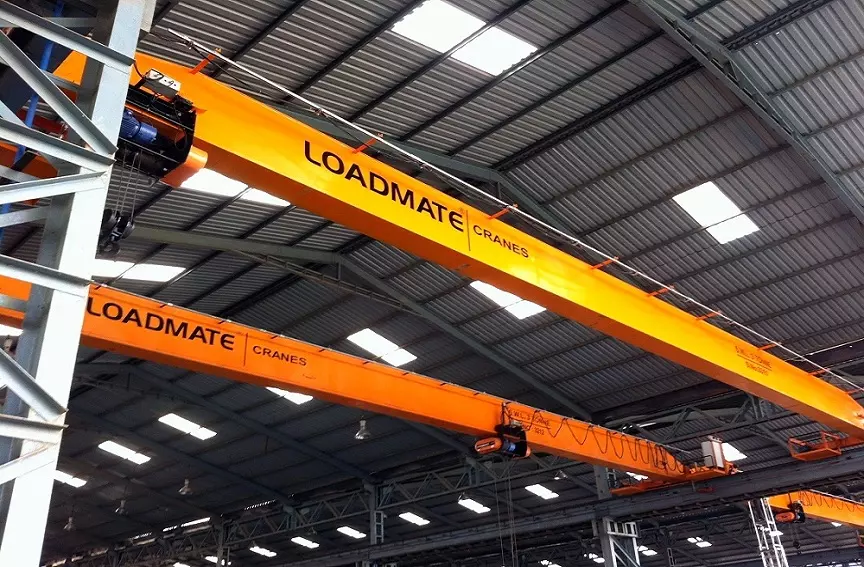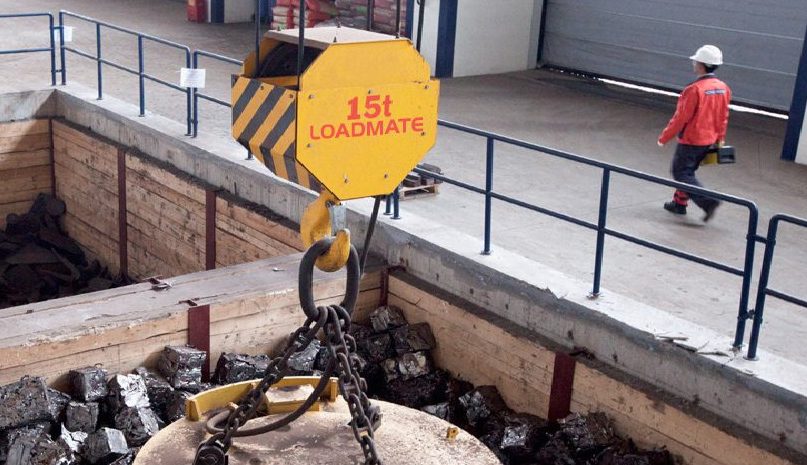
To become an overhead crane operator, hand-eye coordination is the first rule to follow. Overhead crane is the machine that is used in various processes of different industries that include construction, manufacturing, and packaging industries. The crane is used for moving Rolls, Packaged Boxes, Heavy beams, and even molten metal. These cranes can be operated by remote control if the height is normal or cabin controlled operation can be done depending on the capacity of the crane. When there are special requirements, a radio remote is used, but here is a condition- the operator has to be an expert to handle the control process of the crane. An overhead crane operator follows hand-eye coordination and judgement for the safe and accurate lifting of materials and heavy objects.
Instructions for Overhead Crane Operator
- Crane Speed- The operator should know that the safe operation of an overhead crane needs the ability to lower and lift loads precisely while controlling the speed of the crane. The operator must be able to read and check grade plans and map out the height, weight and distance of the load the crane is carrying. An error-driven operation can cause cranes to tip and cables to break.
- Keep learning: Overhead crane operators must have a basic understanding of math and physics as well as good depth perception and mechanical aptitude.
- Coordination with your team: The operator should have an understanding of better communication with the team for safe crane operation. When an operator finds an obscured view, he must trust and follow radioed instructions or the flag signals of other works to pick or place the load. Crane operators should also have time management skills to move the load with those of other workers.
- On the job training: Whenever you a new site, get familiar with the workers with whom you will be working. It is equally important for other workers to know your crane operating methods. It is recommended to have a mock operation with your whole team at the site.
- Get Certified: One can get crane operator training in India in two ways. Either you can take admission in a university, or a technical college that offers a course in crane operations or one can register with a company that operates overhead cranes as a trainee. In such a condition, one will go through an apprenticeship program where you will learn everything practically. A degree includes both practical and theoretical knowledge. This is the best possible way to learn overhead crane operation.
- Acclimate yourself: Crane operators must be able to handle extreme temperatures, gas fumes and noisy environments. They must have calm temperaments and be able to work well under pressure for extended periods of time.
- Be Alert on site: Be aware of the electrocution risk of hitting power lines when operating overhead cranes.
Responsibilities of a Crane Operator
Proper operation of the crane
To deal with a crane, operators have to use hands to manage wheels, levers, electromagnets, dials, and cherry pickers. However, they also need to use feet to operate foot pedals. Moreover, these operators must-have skills to control the crane speed and direction by moving the chassis and lifting/lowering the load line.
Abide by safety protocols
Certified crane operator need to follow strict protocols and rules to prevent damages to your material handling equipment. These protocols ensure safety to the team engaged in crane operations. Thus, operators have to identify the load weight before moving items. They have to check out the weight limit to avoid problems, like overload.
Maintain performance
To ensure the optimum performance of cranes, operators have to maintain them regularly. They should clean and inspect other systems, including cranes, pulleys, cables, and grappling devices. Furthermore, they must confirm that there is no malfunctioning issue and safety problem. Thus, minor repairs and troubleshooting are some common responsibilities of a crane operator.
Now, the question is- How do dedicated crane operator differ from non-dedicated ones?
Dedicated and Non-Dedicated Crane Operators
Roles of dedicated crane operators
- Control pulpit-operated and cab-operated crane systems
- Enter and exit material handling systems at designated boarding sites and authorized locations. Those locations must not have other materials to keep up a passageway.
- Operators have to open the switch for the crane main line disconnection
Roles of non-dedicated crane operators
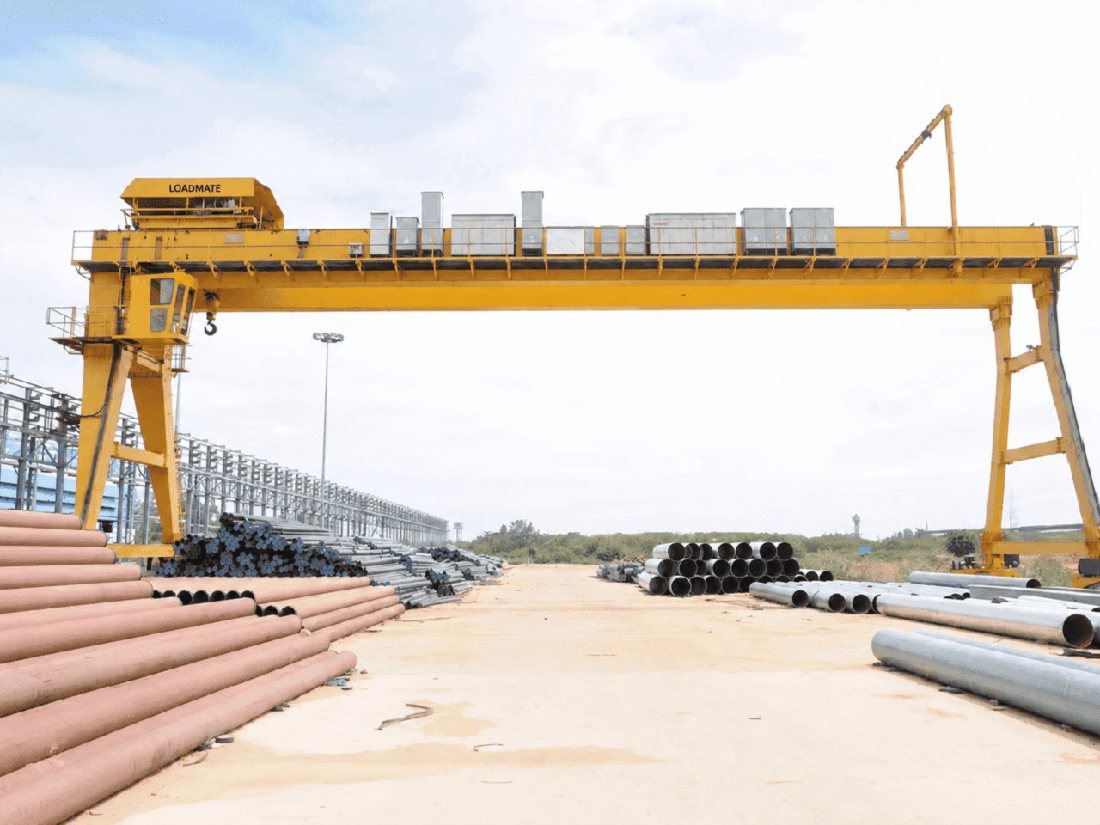
Most employees operating the crane system work as non-dedicated operators. Moreover, their cranes mostly comprise of overhead equipment, like gantry cranes, jib cranes, and bridge cranes. Find the duties of non-dedicated operators.
- Engaged in the task of controlling the remote and floor-operated cranes- both motorized and manual ones
- Use a remote control/pendant station to operate motorized systems.
These remote controls are the best options to move weights around some melted metals and do other risky tasks.
We have found one similarity between non-dedicated and dedicated operators. Both have knowledge about different crane controls. They can identify the potential motion after the action of control devices. However, workers can read markings on those controls. During the regular inspection of cranes, it is essential to ensure that there are clear control markings for workers. Operators have to make this inspection every day before starting to use the crane.
You must know that crane manufacturers are not directly engaged in your crane operation process. That is why your operators have to know about safety rules by reading the manufacturer’s manuals. It will help them to learn the way of maintaining and operating cranes.
Finally, we need to conclude that a crane operator must acquire skills to check the potential safety and materials lifted. They should have the physical strength and mechanical knowledge to deal with repair processes. The detailed information on dedicated and non-dedicated operators will be helpful to you.