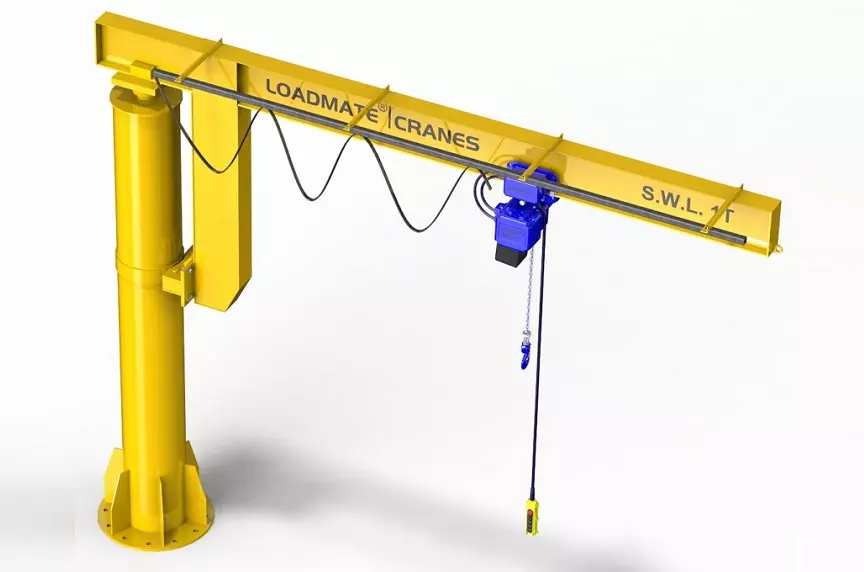
Efficient lifting and material handling are critical to productivity in the industrial world. One versatile solution that's making waves in the industry is the Slewing Jib Crane. Loved for its compact design, operational ease, and boost to productivity, this crane is a mainstay in numerous small workstations. It's time to dive deep into the world of slewing jib cranes and explore their incredible capabilities.
1. The Unbeatable Benefits of Slewing Jib Cranes
1) Maximized Space Efficiency
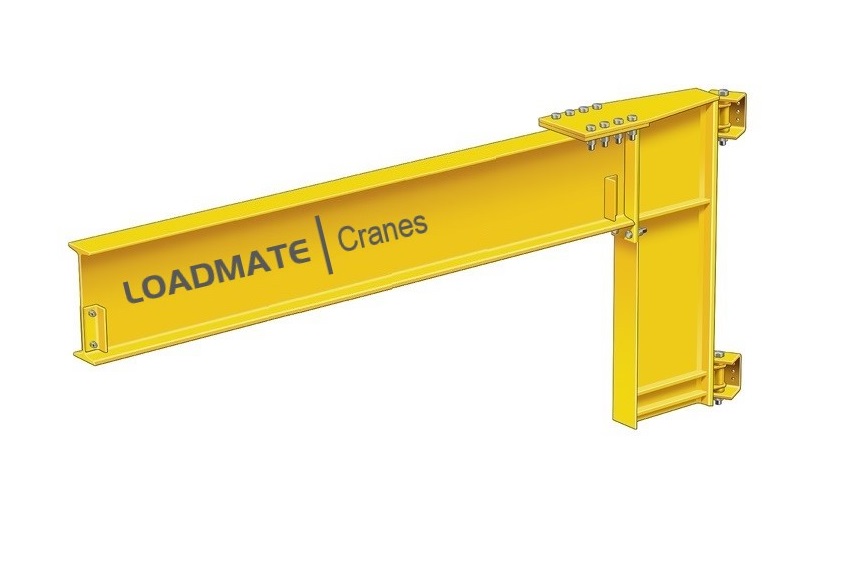
One of the most compelling benefits of slewing jib cranes is their adaptability to small spaces. You can even mount these compact yet powerful machines on the wall, making them ideal for indoor and outdoor operations where floor space is at a premium. This feature streamlines loading and unloading tasks and offers operators a more ergonomic workspace.
2) Effortless Operations
Ease of operation is another feather in the cap of slewing jib cranes. Equipped with an electric slewing jib, these cranes are incredibly user-friendly, increasing operational productivity. Moreover, wall-mounted jib cranes present fewer hazards than other types, contributing to a safer working environment. Their relatively low maintenance requirements make them a cost-effective choice in the long run.
3) Boosts Productivity and Efficiency
Slewing jib cranes aren't just about saving space; they're productivity powerhouses. With various models, shapes, and features available, you can tailor your crane to optimise the flow of materials in your workplace. Reduced wait times and streamlined operations are just the tip of the efficiency iceberg.
2. Dos and Don'ts: Operating Slewing Jib Cranes Safely
Dos:
- Handle and Store Correctly: Proper handling and storage are critical for long-term efficiency.
- Position the Jib Arm: Ensure the lifting appliance is above the load for safe and effective lifting.
- Conduct Pre-Storage Checks: Inspect the jib crane and its accessories before placing them into storage.
- Clear Path Before Slewing: Ensure the travel path is unobstructed before operating the crane.
- Push Don't Pull: Opt for pushing rather than pulling when moving the jib arm.
Don'ts:
- Avoid Shock Loads: Never apply sudden or side loads to the jib crane.
- Suspended Load Safety: Ensure no workers walk under suspended loads.
- No Dragging: Don't drag loads along the ground.
- Avoid Climbing: Never climb an unrestrained jib arm or place a ladder against it.
3. Considerations When Choosing and Installing Slewing Jib Cranes
1) Picking the Right Crane for You
Selecting the right slewing jib crane is essential, and various factors like design options, sizes, and capacities must be considered. Know your project requirements and choose between over-braced and under-braced models. Also, check specifications like height, capacity, and length based on your project’s demands.
2) Installation Wisdom
Proper installation is critical for the safety and longevity of your jib crane. Always adhere to manufacturer guidelines and consult qualified personnel for installation. Check the foundation strength and ensure the crane is securely fastened to prevent accidental tipping or overturning.
3) Maintenance and Storage
When the crane is not in use, position it so it doesn’t pose a hazard to people, vehicles, or goods. If you encounter high winds, remember to lock the moving arm. For cranes that are not frequently used, consider removing the moving parts to prolong their lifespan.
4. Workstation Jib Cranes: Features and Versions
One of the most notable parts of these workstation Jib cranes is the enclosed trussed tracks. Manufacturers have used these tracks to replace the standard jib boom. Conversely, standard jibs rely on the I-beam and not an enclosed track.
The ergonomic design is one of the major reasons for choosing workstation jib cranes. These systems help in transferring loads repeatedly, and their performance is faster compared to motorized jib cranes.
You can use them to manage lighter loads in your industrial site. Moreover, you may buy these jib cranes at a reasonable rate.
Workstation jib cranes are available in a range of versions-
- Floor-mounted
- Freestanding
- Wall-mounted
- Mobile and portable
Thus, identify your needs to know the type of workstation jib cranes essential for your needs. Moreover, you may ask manufacturers to customize the parts and capacities of your cranes.
There is a column fitted to the floor surface while you have chosen freestanding workstation jib cranes. These cranes have the best applications in a 3-dimensional environment. Furthermore, you may choose them for your concentrated lifting solutions.
Mobile Jibs can move from one site to another in your workplace. Conversely, wall-mounted cranes have columns attached to the floor surface.
Let us now see why workstation jib cranes have become popular.
- They are available with a range of load capacities and are highly customizable
- Workstation jib cranes have high adaptability, reliability, and safety features.
- They are best for short-distance solutions. However, you may also choose them to transfer heavy loads and manage intensive lifting mechanisms.
- You can find these jibs with a 360-degree rotation system.
- These cranes are very easy to install and do not need much maintenance.
The best workstation jib cranes have a scientific design ensuring high durability and reliability.
5. Standard I-Beam Jib Cranes
Now, we need to talk about standard I-beam jib cranes. Crane engineers use a tubular sheet to design the mast of the crane and its I-beam. Moreover, there are wall-mounted jibs created with two I-beams-
- One of them remains attached to the wall and mounting brackets
- Another beam is useful for the boom.
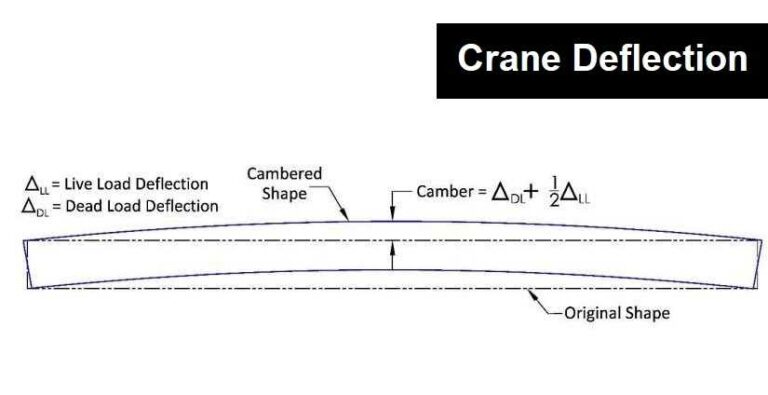
The optimal standard deflection and easy rotation- are two major reasons for choosing I-beam jib cranes. You can position your load easily and safely.
6. Conclusion
From saving space to boosting productivity, slewing jib cranes are indispensable in today's fast-paced industrial settings. Following safety protocols and choosing the right crane for your needs will go a long way in ensuring your operations run smoothly. So, if you’re considering adding a slewing jib crane to your arsenal, remember these pointers to maximize its utility and longevity. Your business—and your bottom line—will thank you.
Interested in learning more about Jib Cranes? Feel free to drop your questions on sales@loadmate.in