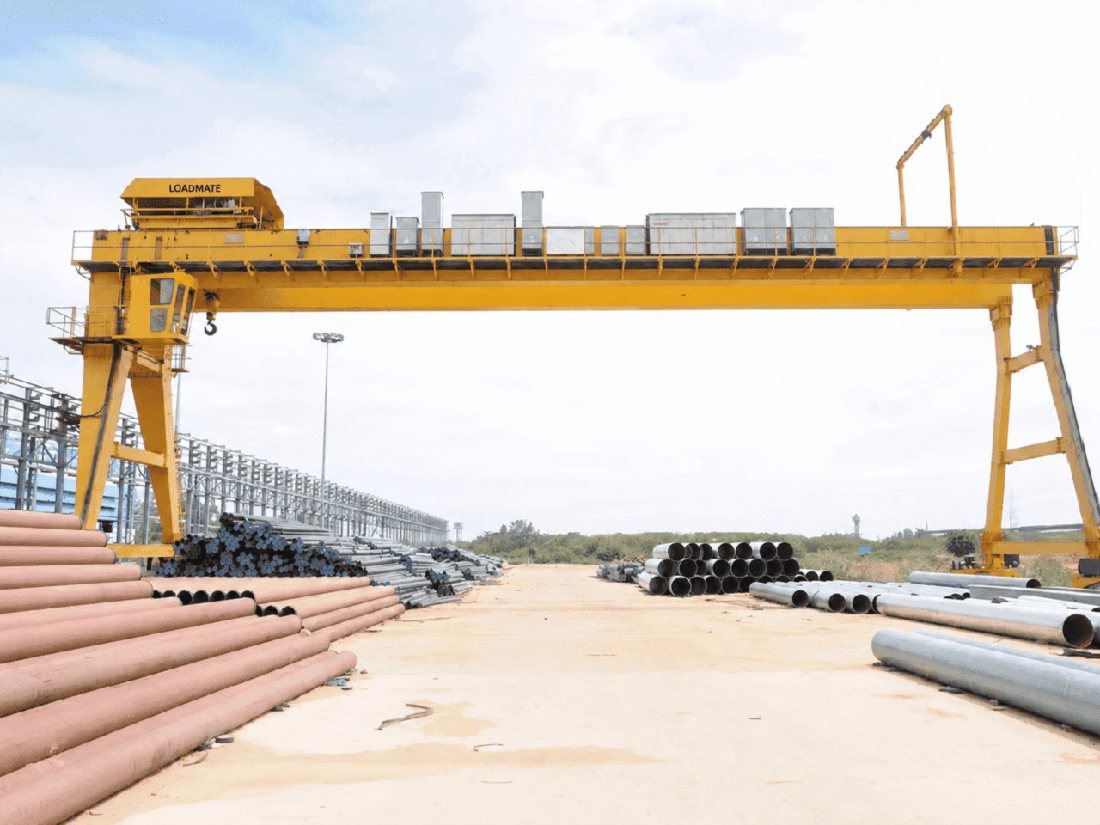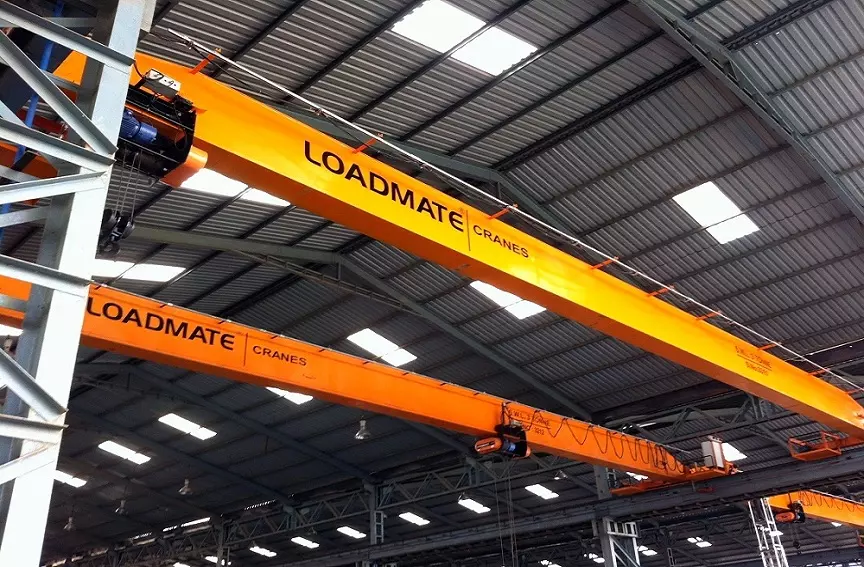
So, you've done your due diligence, studied the types of overhead cranes available, and finally compared & have chosen a manufacturing partner. What comes next? The intricate process of overhead crane installation. This isn't just a setup; it's a well-orchestrated sequence of events that demands meticulous planning, effective communication, and a keen eye for detail.
In this comprehensive guide, I'll walk you through each critical stage, from pre-installation planning to post-installation tests, ensuring both safety and budget adherence.
1. Pre-Installation Planning: The Blueprint
Before a single bolt is tightened, your manufacturing partner will sit down with you to hash out the financials and scope of work. Upon signing a purchase agreement, this document is the installer's Bible. The installer will begin with:
- Approval of Building Plans: Your building's blueprints and schematics are scrutinised to ensure they align with the crane's specifications.
- Material & Equipment List: From mobile installation cranes and scissor lifts to generators and safety gear, the installer compiles a complete list of necessities.
- Timeline & Constraints: The installer needs a clear timeline and must be informed of any site-specific challenges like ongoing construction that could cause delays.
2. Site Review: The Lay of the Land
A detailed inspection of the installation site is non-negotiable. The installer will identify any equipment or machinery that needs to be relocated for the free passage of installation vehicles. Crucial considerations include:
- Gas and electric line installations
- Concrete or masonry work
- Roofing, ductwork, and plumbing
- Overhead light fixtures
If the crane is to be installed in an existing facility, every obstacle must be catalogued and addressed. This includes identifying the type of flooring, the structural support beams required for the runway, and any equipment that will be operational during the crane installation.
3. Hazard Identification: Safety First
This step involves identifying potential hazards that could interrupt the installation process, such as:
- Electrical hazards
- Traffic hazards
- Extreme temperatures or chemical exposure
- Working at height considerations
- Any additional risks deemed pertinent by the installer
4. Reviewing Runway Systems: Measure Twice, Install Once
Whether it's an existing system or a new crane installation, the installer verifies all dimensions against the approved drawings. This attention to detail ensures that the installation process goes off without a hitch and within the scheduled timeframe.
5. Finalising Dates and Logistics
As D-day approaches, communication with your crane installation team will become increasingly frequent. Every stakeholder needs to be on the same page, from truck drivers and mechanical assemblers to riggers, crane operators, and electrical specialists. Changes to the installation plan generally require a notice period, which can vary among manufacturers. Always check this in advance to avoid last-minute hiccups.
6. The Load Test: The Moment of Truth
After navigating the labyrinthine installation process, it's time for the load test. This crucial step ensures that all the components—hoists, bridges, trolleys, safety devices—are operating flawlessly. Manufacturers often employ third-party testing companies for impartiality. Some tests you can expect include:
- Operation tests for the hoist, bridge, and trolley
- Safety device functionality checks
- Load tests at 125% of the crane's rated capacity
Always keep the load test records readily accessible for future reference.
7. Preparing Your Employees
Now, it is a massive part of the process. You have to create a game plan. It will help your employees to understand what they need to do during the installation day. Maybe, you have to do it when your employees are on the clock, which can be pretty challenging. Safety is an essential part. Ensure all your employees have thorough training regarding operation and installation. They also have to gather knowledge about maintenance.
Your employees should be able to fathom the signs if the crane requires repair. Plus, they should be well aware of the steps to avoid the breakdown of cranes. It will help you to protect your employees and equipment.
8. Initial Inspection After Installation
Once you install the crane, you have to conduct a professional and certified inspection immediately. Next, your company has to follow the inspection schedule. That schedule comes with various points such as:
- Functional test
- Periodic inspection
- Frequent inspection
The best option for you is to hire a crane inspector. He or she will make sure that you are maintaining the standards. It will ensure that you are getting a return for your investment.
9. Safety Checks Before Crane Installation
Before you proceed with installation, there are crucial safety steps to take.
- Test Run: Examine the entire crane's operational span length. Check the bridge and runway for obstructions to ensure smooth motion during operation.
- Consult the Experts: Installation should be managed by a technical supervisor, ideally before the crane even arrives on site.
- Planning: Outline a comprehensive plan that covers everything from product delivery to customs inspection.
10. Factors to Consider for Crane Delivery
Transportation Complexity
The logistics of transporting a crane can often be overlooked. Make sure your transport vehicle has the proper permits for carrying heavy machinery. Routes might be indirect to avoid low-clearance bridges or weak roads, but these measures are necessary to evade traffic complications and potential accidents.
Terrain and Site Conditions
The nature of the construction site and weather conditions also impact your choice of crane. For example, rough-terrain cranes are designed for challenging landscapes, offering advantages that other crane types cannot provide.
Mobility Requirements
The crane's degree of mobility can significantly influence your project. A mini crane might be your best option if your construction requires nimble and precise delivery in a constrained space.
Installing a Crane in an Existing Building
- Production timing: plan the installation for a scheduled production shutdown.
- Site access: check how trucks and lifting equipment will reach the bay.
- Structural survey: have a structural engineer check the columns, roof and any existing runway before work starts.
- Delivery: align the delivery of crane components with the installation window.
- Staging area: set aside space for installation equipment.
- Safety: give contractors a site-specific safety induction.
- Load test: load-test the crane before handover.
11. The Bottom Line
The overhead crane installation is more than a task; it's a project that requires focused attention and specialised knowledge. Ensure you select a manufacturing partner who brings both expertise and experience to the table. After the crane, runways, and hoists are installed, you'll still need a reliable partner for continued safety and efficiency.
From planning and hazard identification to load testing and documentation, every step of the crane installation process is a building block for safe and efficient operations. Make sure each block is perfectly placed.